Gluten-Free Diet Explained: Who Should Follow It & What to Eat
A few years ago, “gluten-free” sounded like a foreign concept.
Today, it’s on restaurant menus, food labels, and health conversations everywhere.
Some people swear by it.
Some think it’s just another food trend.
And many are confused about whether they actually need it or not.
So let’s clear the noise and talk honestly.
A gluten-free diet is not for everyone — but for the right people, it can be life-changing.
This blog will help you understand what gluten really is, who should avoid it, and how to eat gluten-free without overcomplicating your life, especially in an Indian setting.
First Things First: What Is Gluten?
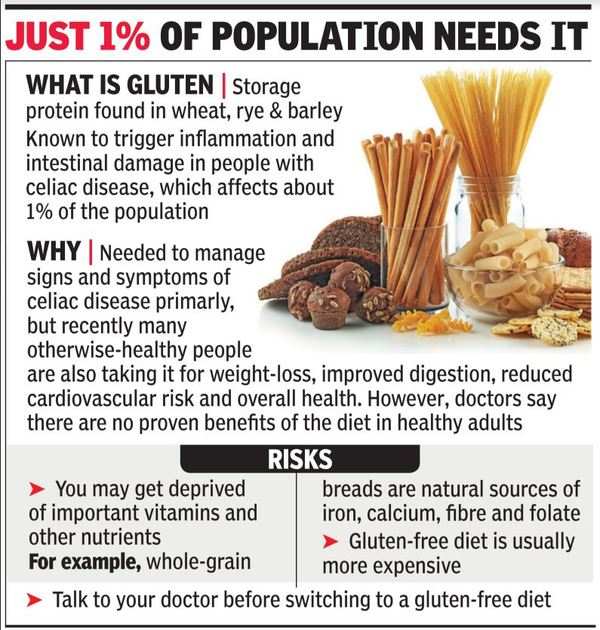
Gluten is a type of protein found in certain grains, mainly:
- Wheat
- Barley
- Rye
In simple terms, gluten is what gives dough its stretchiness.
It’s the reason rotis are soft, bread is fluffy, and cakes hold their shape.
In Indian diets, gluten mainly comes from:
- Wheat atta
- Maida
- Bread
- Pasta
- Biscuits
- Noodles
- Bakery items
For most people, gluten causes no problem at all.
But for some, it can seriously affect digestion and overall health.
Who Should Actually Follow a Gluten-Free Diet?
This is the most important question — because going gluten-free without a reason can do more harm than good.
1. People With Celiac Disease
This is a medical condition where gluten damages the small intestine.
Even small amounts of gluten can cause:
- Severe bloating
- Diarrhoea
- Fatigue
- Nutrient deficiencies
For people with celiac disease, a gluten-free diet is non-negotiable.
2. Gluten Sensitivity (Non-Celiac)
Some people don’t have celiac disease but still feel uncomfortable after eating gluten.
Common symptoms include:
- Bloating
- Acidity
- Brain fog
- Headaches
- Low energy
If symptoms improve after removing gluten, this could be gluten sensitivity.
3. People With Digestive Issues
Those dealing with:
- IBS
- Frequent gas and bloating
- Inflammation
may feel better on a reduced-gluten or gluten-free diet.
4. Autoimmune or Hormonal Conditions
Some people with:
- Thyroid issues
- PCOS
- Autoimmune conditions
notice improvement when gluten is reduced, though this varies from person to person.
Who Does Not Need to Go Gluten-Free?
If you:
- Digest wheat comfortably
- Have no gut issues
- Feel energetic and healthy
Then gluten is not your enemy.
Removing it unnecessarily can lead to nutrient deficiencies if not planned properly.
Is Gluten-Free the Same as Healthy? (Not Always)
This is where many people go wrong.
Gluten-free does not automatically mean healthy.
Many packaged gluten-free foods are:
- Highly processed
- Low in fiber
- High in sugar and fats
A biscuit without gluten is still a biscuit.
A healthy gluten-free diet focuses on naturally gluten-free foods, not replacements.
Naturally Gluten-Free Foods (Indian Friendly)
The best part?
Traditional Indian food already includes many gluten-free options.
Grains & Staples
- Rice
- Jowar
- Bajra
- Ragi
- Makka (corn)
- Quinoa
Proteins
- Dal and legumes
- Paneer
- Eggs
- Fish
- Chicken
- Tofu
Vegetables & Fruits
All fresh fruits and vegetables are naturally gluten-free.
Dairy
- Milk
- Curd
- Ghee
(Unless lactose intolerant)
Gluten-Free Indian Meal Ideas

You don’t need foreign recipes to eat gluten-free.
Breakfast
- Poha
- Idli
- Dosa (made from rice & dal)
- Upma with millets
- Fruit + nuts + curd
Lunch
- Rice with dal and sabzi
- Jowar or bajra roti
- Khichdi
- Curd rice
- Grilled vegetables with protein
Dinner
- Vegetable stir-fry with rice
- Millet khichdi
- Paneer or tofu with sabzi
- Soups and stews
Simple, familiar, and satisfying.
Foods to Be Careful About
Even when avoiding wheat, gluten can hide in unexpected places.
Watch out for:
- Soy sauce
- Packaged gravies
- Ready-to-eat meals
- Salad dressings
- Instant soups
Always read labels carefully.
Common Mistakes People Make on a Gluten-Free Diet
1. Replacing Wheat With Only Rice
This can lead to:
- Blood sugar spikes
- Lack of variety
Include millets and proteins.
2. Over-Depending on Packaged Gluten-Free Products
These are fine occasionally, not daily food.
3. Cutting Gluten Suddenly
A gradual reduction helps your body adjust better.
Does Gluten-Free Help With Weight Loss?
Sometimes — but not always.
Weight loss happens when:
- Diet becomes less processed
- Digestion improves
- Portion control improves
Simply removing gluten doesn’t guarantee weight loss.
How to Try Gluten-Free the Right Way
If you’re curious but unsure:
- Try reducing gluten for 2–3 weeks
- Observe digestion, energy, and mood
- Don’t remove entire food groups blindly
Listen to your body — not trends.
Final Thoughts: Should You Go Gluten-Free?
A gluten-free diet is a tool, not a rule.
For some people, it’s necessary.
For others, it’s optional.
For many, moderation works best.
The goal is not to eliminate foods —
The goal is to eat in a way that helps you feel your best.
When your gut feels calm, everything else works better.