
Dairy-Free & Plant-Based Eating: Is It Right for Your Body and Lifestyle?
A few years ago, choosing dairy-free or plant-based food felt unusual.
Today, it’s part of everyday conversations — at cafés, grocery stores, and even family dinners.
Some people give up dairy because it upsets their stomach.
Some choose plant-based meals for ethical or environmental reasons.
Others simply feel lighter and better after switching.
But here’s the truth that often gets missed:
dairy-free and plant-based eating is not an all-or-nothing decision.
You don’t need to label yourself vegan or cut everything out overnight.
This blog will help you understand what dairy-free and plant-based eating actually means, who it works for, and how to do it in a realistic, Indian way.
What Does “Dairy-Free” and “Plant-Based” Really Mean?
These two terms are often used together, but they’re not the same.
Dairy-Free
Dairy-free means avoiding:
- Milk
- Curd
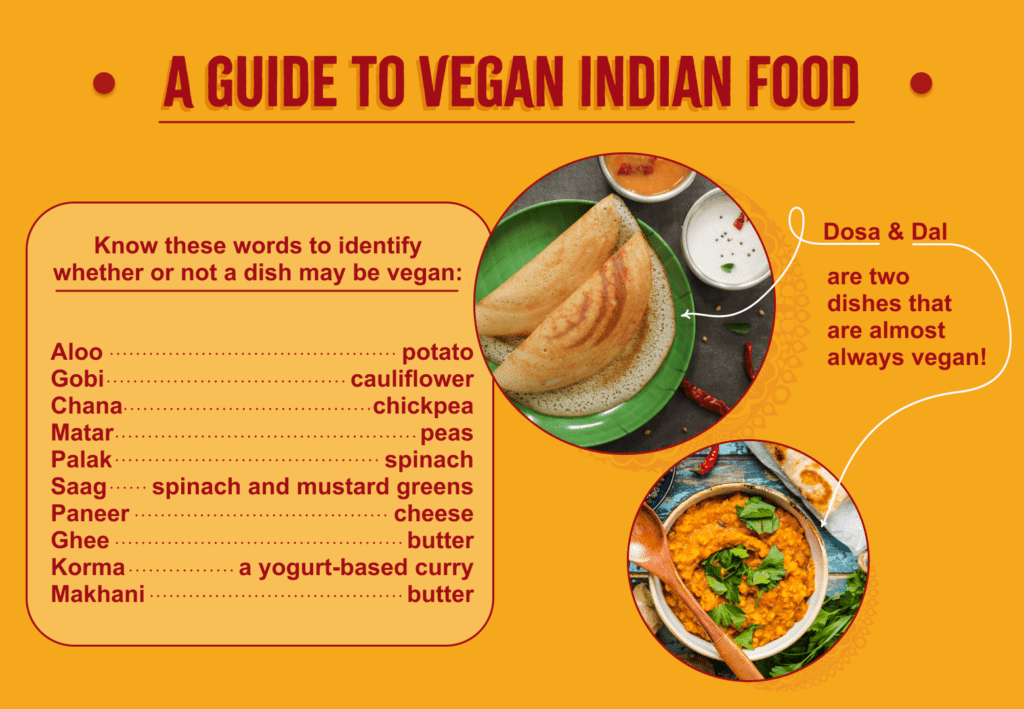
- Paneer
- Cheese
- Butter and cream
People go dairy-free mainly due to digestion issues, allergies, or personal comfort.
Plant-Based
Plant-based eating focuses on:
- Vegetables
- Fruits
- Grains
- Legumes
- Nuts and seeds
It doesn’t always mean completely avoiding animal foods.
Many people follow a mostly plant-based diet and still eat eggs, fish, or dairy occasionally.
The idea is simple:
Plants form the base of your meals.
Why Are So Many People Reducing Dairy Today?
Dairy has been part of Indian diets for centuries — so why the shift?
Common Reasons People Go Dairy-Free
- Bloating and acidity after milk or curd
- Skin issues like acne
- Lactose intolerance
- Sinus congestion
- Feeling heavy after meals
Not everyone digests dairy the same way.
What suits one body may not suit another.
Who Should Consider Dairy-Free or Plant-Based Eating?
1. People With Lactose Intolerance
If milk causes:
- Gas
- Diarrhoea
- Stomach pain
Going dairy-free can bring quick relief.
2. People With Gut Issues
Those dealing with:
- IBS
- Frequent bloating
- Acid reflux
often feel better with reduced dairy and more plant foods.
3. Hormonal or Skin Concerns
Some people with:
- PCOS
- Acne
- Inflammation
notice improvements after cutting back on dairy.
4. Lifestyle or Ethical Choices
Many people choose plant-based eating for environmental or personal reasons — and that’s valid too.
Who Does Not Need to Go Dairy-Free?
If you:
- Digest milk comfortably
- Have no gut or skin issues
- Feel energetic with dairy in your diet
There’s no urgent need to remove it.
Food should support your body, not follow trends.
Common Myth: Dairy-Free Means Nutrient Deficiency
This fear is understandable — but avoidable.
With proper planning, a dairy-free or plant-based diet can provide:
- Enough protein
- Calcium
- Healthy fats
- Vitamins
The key is variety.
Best Plant-Based Dairy Alternatives (Indian Friendly)
Milk Alternatives
- Almond milk
- Oat milk
- Soy milk
- Coconut milk
Choose unsweetened versions whenever possible.
Protein Sources
- Dal and legumes
- Chickpeas
- Rajma
- Tofu and tempeh
- Nuts and seeds
Calcium Sources
- Ragi
- Sesame seeds (til)
- Almonds
- Leafy greens
- Fortified plant milks
What Does a Plant-Based Indian Plate Look Like?
You don’t need fancy bowls or imported ingredients.
Breakfast Ideas
- Vegetable poha
- Dosa with sambar
- Oats with nuts and fruits
- Smoothies with plant milk
Lunch Ideas
- Rice with dal and sabzi
- Millet roti with vegetables
- Rajma or chole
- Vegetable khichdi
Dinner Ideas
- Stir-fried vegetables with tofu
- Soups and stews
- Millet-based meals
- Light grain bowls
Simple food works best.
Mistakes People Make When Going Plant-Based
1. Removing Dairy Without Replacing Nutrition
Simply cutting milk isn’t enough — replacements matter.
2. Eating Too Many Packaged “Vegan” Foods
Plant-based junk is still junk.
3. Ignoring Protein
Every meal should include a protein source.
Does Plant-Based Eating Help With Weight Loss?
It can — if done right.
People often lose weight because:
- Fiber intake increases
- Processed food reduces
- Portions become balanced
But plant-based does not mean unlimited eating.
How to Transition Without Stress
You don’t need drastic rules.
- Start by replacing one dairy item at a time
- Try plant milk in tea or coffee
- Add one fully plant-based meal daily
- Notice how your body responds
Slow changes last longer.
Eating Out & Social Life
You don’t have to stop enjoying food outside.
- Choose simple veg meals
- Ask for less butter or cream
- Focus on naturally plant-based dishes
Flexibility is important.
Final Thoughts: Is Dairy-Free & Plant-Based Right for You?
This way of eating is not about labels.
It’s about listening to your body.
For some, removing dairy brings relief.
For others, moderation works better.
Plant-based eating encourages:
- Simpler food
- Better digestion
- Long-term health awareness
You don’t need perfection.
You need balance.
Food should feel good — physically and mentally.