
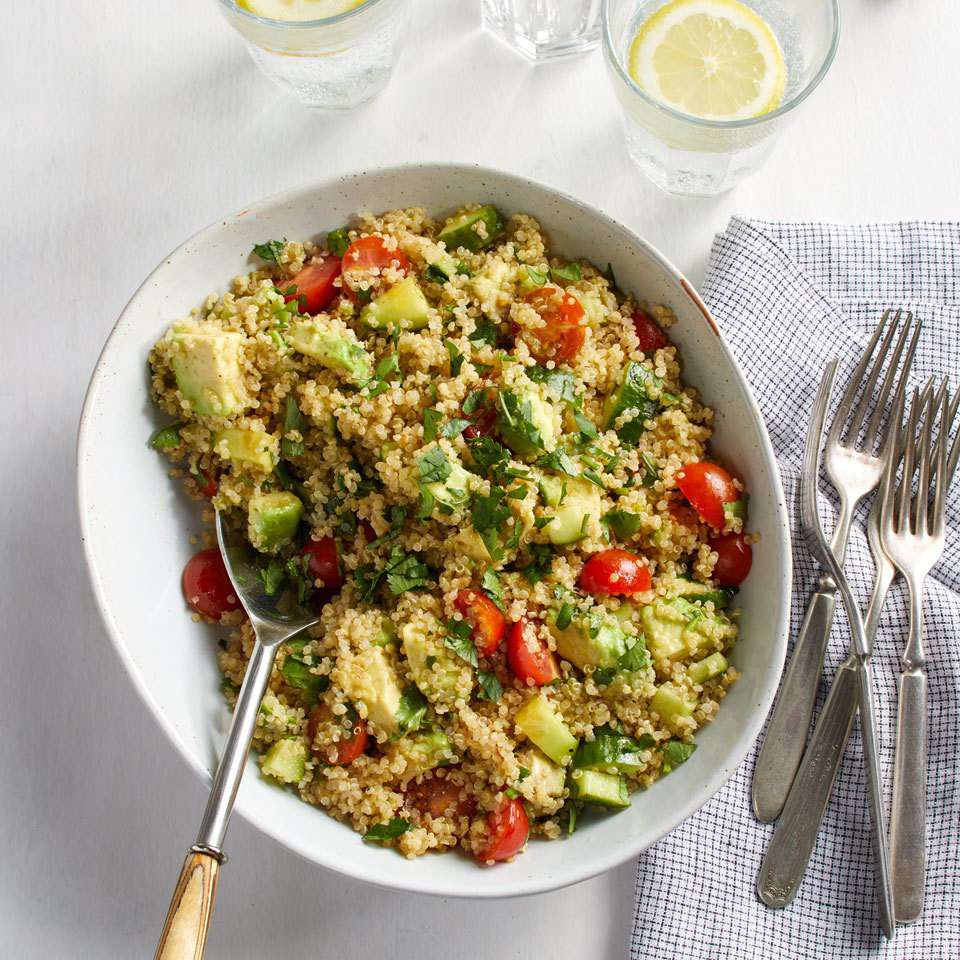
Clean Eating 101: How to Read Food Labels & Avoid Hidden Junk
Eating clean sounds simple, but in reality, it’s confusing.
Every packet claims to be healthy, natural, low-fat, or sugar-free.
Yet somehow, we still feel bloated, tired, or constantly hungry.
That’s because clean eating is not about fancy diets or expensive superfoods.
It’s about understanding what’s actually going into your body — and food labels are where the truth usually hides.
Once you learn how to read them properly, you start eating better without even trying.
What Does Clean Eating Really Mean?
Clean eating doesn’t mean perfect eating.
It means:
- Choosing less processed food
- Avoiding unnecessary additives
- Eating food closer to its natural form
- Knowing what you’re consuming
You can eat clean without giving up taste, culture, or comfort food.
Why Food Labels Matter More Than You Think
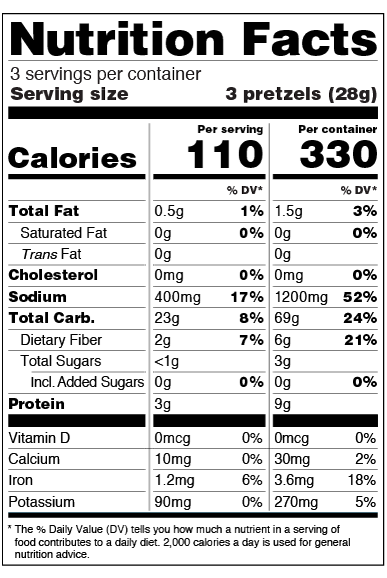
Most packaged foods look harmless from the outside.
The problem lies inside — in the ingredient list.
Even everyday items like bread, sauces, cereals, and snacks often contain:
- Added sugar
- Preservatives
- Artificial flavours
- Excess salt
Reading labels helps you spot hidden junk before it becomes a habit.
Step 1: Ignore the Front of the Packet
This might sound strange, but it’s important.
Words like:
- “Healthy”
- “Natural”
- “Fitness”
- “Diet”
- “No added sugar”
are marketing terms. They don’t guarantee clean ingredients.
Always turn the packet around.
Step 2: Check the Ingredient List First
This is the most honest part of any label.
Simple Rule:
The shorter the ingredient list, the better.
If you can’t pronounce most of the ingredients, your body probably doesn’t recognise them either.
Watch Out for Hidden Sugar
Sugar doesn’t always appear as “sugar”. It can be listed as:
- Glucose syrup
- Maltodextrin
- Fructose
- Corn syrup
- Sucrose
If sugar appears in the first few ingredients, it’s best avoided.
Step 3: Understand Nutritional Information (Without Overthinking)
You don’t need to calculate everything. Just notice patterns.
Things to Be Careful About:
- Very high sugar per serving
- Excess sodium
- Trans fats or hydrogenated oils
Low-fat products often compensate with extra sugar — something many people miss.
Step 4: Serving Size Can Be Misleading
A packet may look low in sugar or calories, but check the serving size.
Sometimes:
- One biscuit = one serving
- One spoon = one serving
Be realistic about how much you’ll actually eat.
Common Foods That Hide Junk
Some foods that appear healthy but often aren’t:
- Breakfast cereals
- Flavoured yogurt
- Packaged juices
- Protein bars
- Ready-to-eat gravies
This doesn’t mean you can never eat them — just choose wisely.
Clean Eating the Indian Way
Clean eating doesn’t require imported products.
Traditional Indian foods are naturally clean when prepared simply:
- Dal
- Rice
- Sabzi
- Fruits
- Nuts and seeds
- Homemade curd
Cooking at home already puts you ahead.
Packaged Food Isn’t the Enemy — Overuse Is
It’s unrealistic to avoid packaged food completely.
Clean eating means:
- Choosing better options
- Limiting frequency
- Reading labels every time
Progress matters more than perfection.
One Habit That Changes Everything
Before buying anything packaged, ask:
“Do I actually need this?”
Most clean eating starts with awareness, not restriction.
Final Thoughts: Clean Eating Is a Skill, Not a Diet
Clean eating doesn’t happen overnight.
It develops when you:
- Start reading labels
- Understand ingredients
- Make small swaps
- Trust your body’s response
Once you learn this skill, it stays with you for life.
Eat simple.
Eat aware.
And remember — food should support your health, not confuse it.
