Low-Carb vs Balanced Diet: What Actually Works for Indian Meals?
If you’ve ever tried to eat “healthy,” you’ve probably heard this advice at least once:
“Carbs kam kar do.”
Rice is blamed.
Rotis are questioned.
Even a simple dal-chawal meal starts feeling guilty.
On the other side, there’s another voice saying:
“Everything in balance is fine.”
So which one is right?
Should Indians follow a low-carb diet, or does a balanced diet work better with our food culture?
The answer isn’t black or white — and definitely not the same for everyone.
Let’s break it down honestly, without diet drama.
First, What Is a Low-Carb Diet?
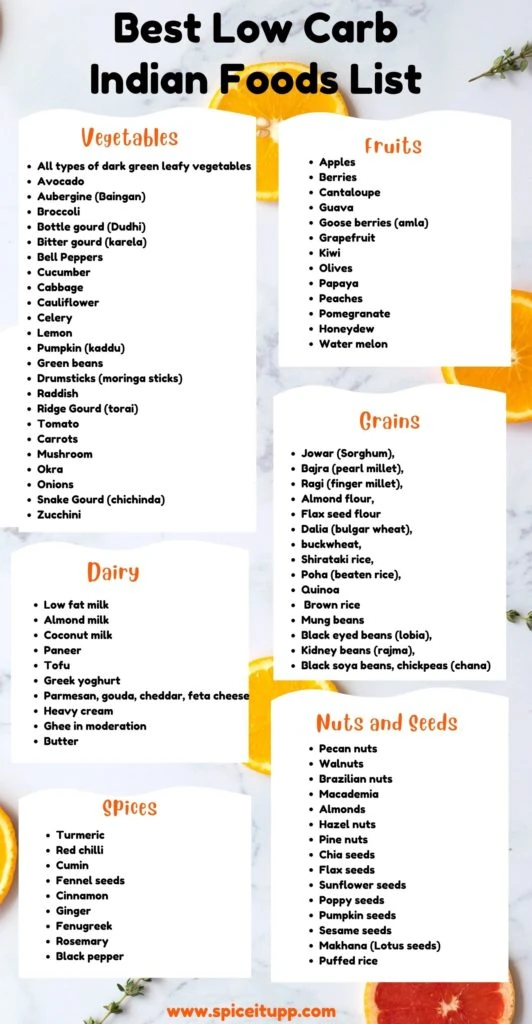
A low-carb diet reduces foods high in carbohydrates, especially:
- Rice
- Wheat
- Sugar
- Processed foods
- Bakery items
Instead, it focuses more on:
- Protein
- Healthy fats
- Vegetables
- Nuts and seeds
The goal is to control blood sugar, reduce insulin spikes, and sometimes support weight loss.
What Is a Balanced Diet?
A balanced diet includes:
- Carbohydrates
- Proteins
- Fats
- Fiber
- Vitamins and minerals
In Indian terms, it usually looks like:
- Roti or rice
- Dal or protein
- Sabzi
- Some fat (ghee, oil)
- Curd or salad
The idea is portion control, not elimination.
Why Carbs Get a Bad Reputation
Carbs themselves are not the problem.
The issue is how we eat them today.
Common problems:
- Large portions of rice or rotis
- Very little protein
- Refined carbs (maida, sugar)
- Sedentary lifestyle
When carbs dominate the plate without balance, problems begin.
When a Low-Carb Diet Can Work Well
A low-carb approach can be helpful for some people.
It may work if you:
- Have diabetes or pre-diabetes
- Have insulin resistance
- Are trying to reduce belly fat
- Feel sluggish after carb-heavy meals
Reducing carbs in these cases can:
- Stabilize blood sugar
- Reduce cravings
- Improve energy
But low-carb doesn’t mean no carbs — it means fewer, better carbs.
When Low-Carb Becomes Difficult in Indian Households
Let’s be realistic.
Indian meals are carb-centric by design:
- Rice
- Rotis
- Parathas
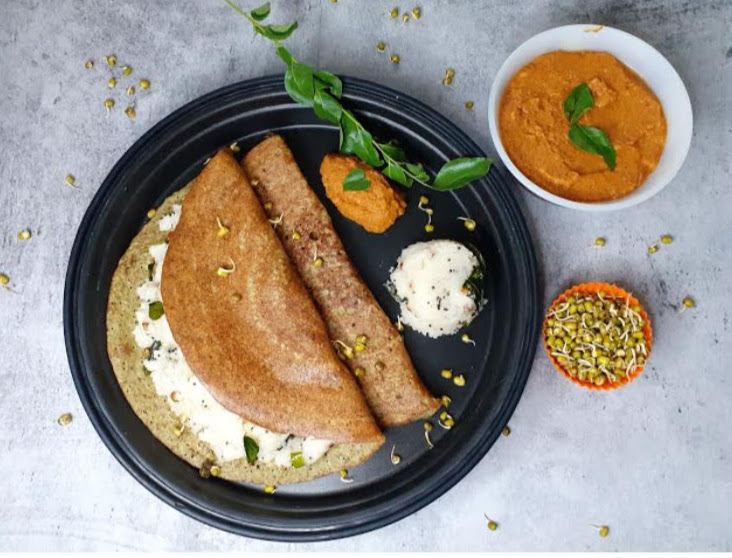
- Idli, dosa
- Poha, upma
Going extremely low-carb can feel:
- Socially isolating
- Hard to sustain
- Mentally stressful
Many people quit low-carb diets not because they don’t work — but because they don’t fit daily life.
When a Balanced Diet Works Better
A balanced diet suits:
- People with active lifestyles
- Those without major health issues
- Families eating together
- Long-term consistency
Balanced eating allows:
- Cultural food habits
- Occasional indulgence
- Sustainable nutrition
It’s easier to follow and maintain.
The Real Problem: Portion Size, Not Carbs
Most Indian plates look like this:
- 70% carbs
- 20% vegetables
- 10% protein
A healthier plate looks like:
- 40–45% vegetables
- 25–30% protein
- 25–30% carbs
Same foods. Better balance.
Smart Carb Choices for Indian Meals
If you’re eating carbs, make them count.
Better Carb Options:
- Brown rice (in moderation)
- Hand-pounded rice
- Millets (jowar, bajra, ragi)
- Oats
- Sweet potatoes
Carbs to Limit:
- White rice in large portions
- Maida
- Sugary snacks
- Bakery items
Protein: The Missing Piece in Indian Diets
Most carb cravings come from low protein intake.
Add protein to every meal:
- Dal and legumes
- Paneer or tofu
- Eggs
- Fish or chicken
- Curd (if suitable)
Protein keeps you full and controls cravings.
What Does a Balanced Indian Plate Look Like?
Breakfast
- Vegetable omelette with one toast
- Poha with peanuts
- Dosa with extra sambar
- Oats with nuts and seeds
Lunch
- One roti + dal + sabzi + salad
- Rice (small portion) + rajma + vegetables
- Millet roti with paneer or tofu
Dinner
- Light meals
- Fewer carbs than lunch
- More vegetables and protein
Low-Carb Indian Meal Ideas (Without Extremes)
- Paneer bhurji with vegetables
- Vegetable stir-fry with tofu
- Dal with extra sabzi, less rice
- Salads with legumes and nuts
- Soups with protein
Simple changes, not strict rules.
Weight Loss: Low-Carb vs Balanced Diet

Both can help — depending on consistency.
Low-carb helps by:
- Reducing calorie intake
- Controlling insulin
- Reducing cravings
Balanced diet helps by:
- Creating steady habits
- Preventing burnout
- Supporting long-term weight loss
The best diet is the one you can follow without stress.
Common Mistakes People Make
- Cutting carbs but not improving food quality
- Eating too little and feeling weak
- Ignoring vegetables and fiber
- Following diets without personalisation
No diet works if it feels like punishment.
How to Decide What’s Right for You
Ask yourself:
- Do I feel heavy after carb-rich meals?
- Do I have blood sugar issues?
- Can I sustain low-carb long term?
- Do I enjoy my food?
Your body gives signals — listen to them.
Final Thoughts: Balance Beats Extremes
Indian food is rich, diverse, and nourishing.
It doesn’t need extreme rules.
Some people thrive on low-carb.
Others do better with balanced meals.
The goal is not to fight food —
The goal is to work with your body.
Eat mindfully.
Move regularly.
And choose a diet you can live with — not escape from.